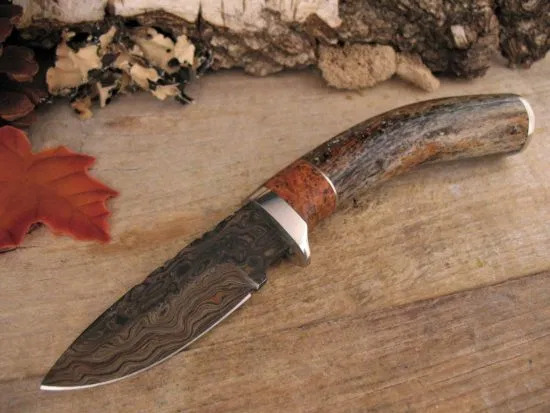
Description
Kudu horn comes from the African kudu antelope and is similar in properties to sheep horn. It features beautiful natural striping and color variations. May be pressure stabilized and sealed for improved durability. **Fordele:** Exotic appearance, beautiful natural patterns, unique coloring, African origin adds character, can be stabilized **Ulemper:** Expensive, limited availability, environmental sensitivity, natural variations, ethical sourcing considerations
Properties
✓ Pros
• Good workability
✗ Cons
• Higher cost material
Working Notes
Cutting: Work like other horns - sharp tools, moderate speeds. Natural spiral structure requires careful orientation. Sanding: Sand to reveal underlying colors and patterns. Progress 220-600 grit. Natural variations create unique finish.
Finishing Notes
Oil or wax enhances natural beauty. Stabilized versions more durable. Polishes well to medium-high luster.
⚠️ Special Considerations
Verify ethical sourcing. Natural material with significant variations. Pressure stabilization improves performance.